Specialty vs. Commercial Coffee: Which Difference Is Worth Paying For?
mokhaLab · May 19, 2026 · 5 min read ·
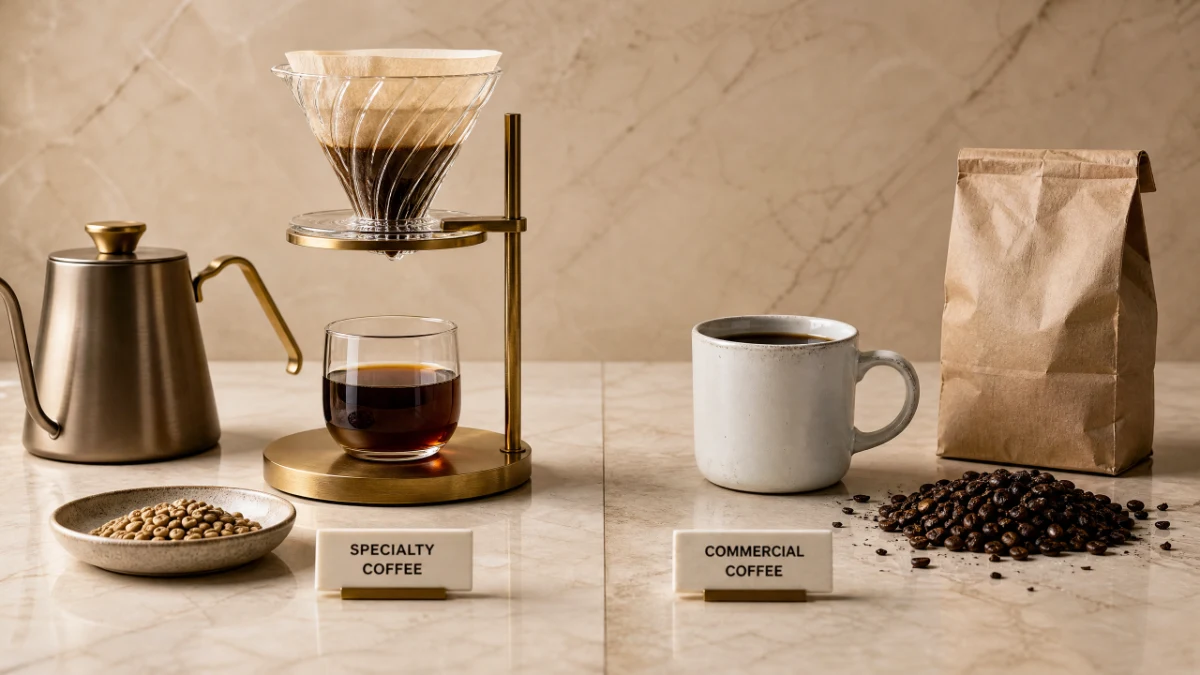
Coffee is more than just a morning ritual; for many, it is an experience, a craft, and a daily necessity. As coffee culture has evolved, consumers are increasingly faced with a choice between specialty coffee and commercial coffee. While both serve the fundamental purpose of providing a caffeine boost, the journey from bean to cup differs drastically between the two. Understanding these differences is essential for determining whether the premium price of specialty coffee is truly worth paying for.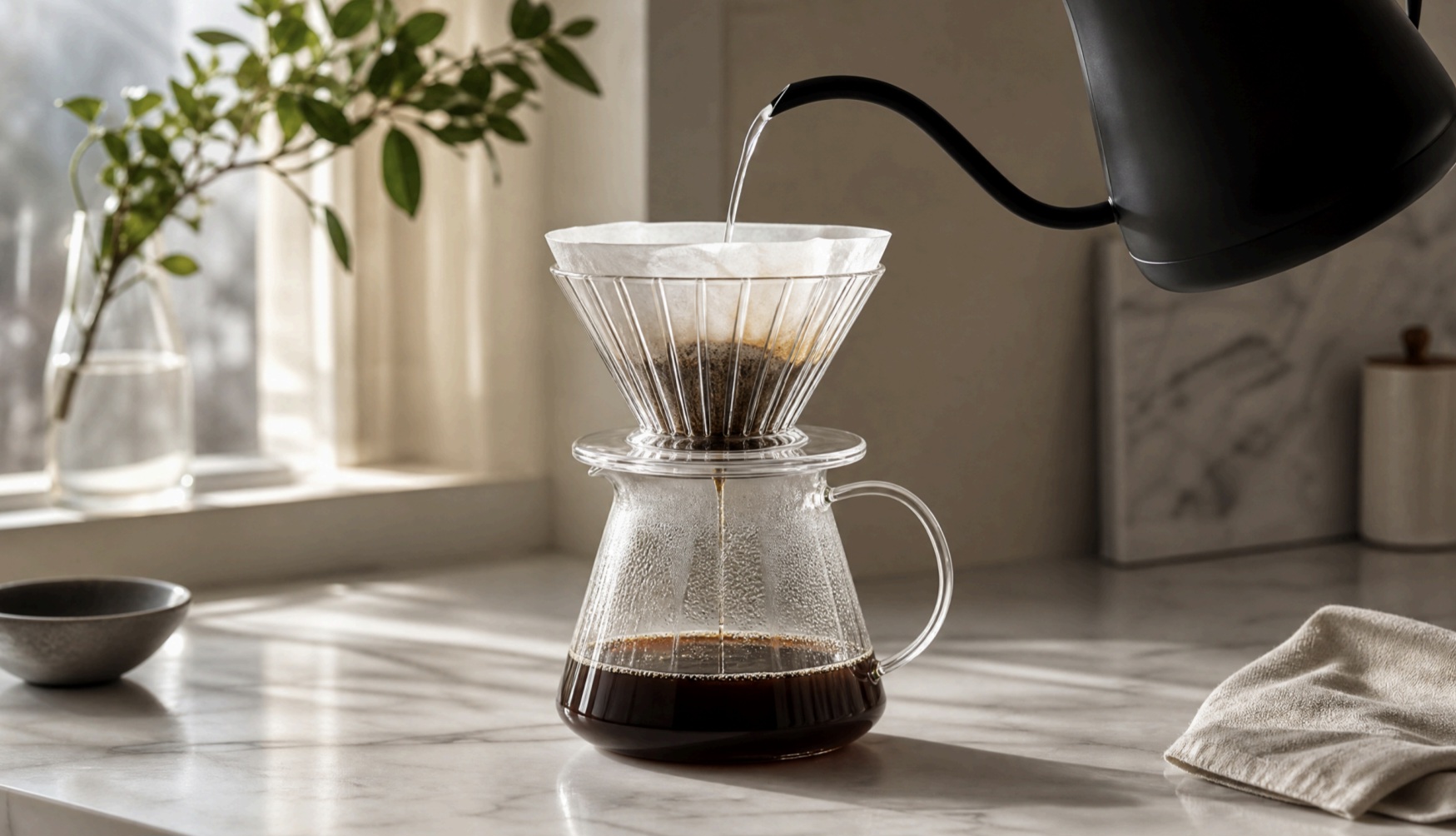
The Definition and Grading of Coffee
The distinction between specialty and commercial coffee begins at the very foundation of how the beans are evaluated. The Specialty Coffee Association (SCA) has established a rigorous grading system that scores coffee on a 100-point scale.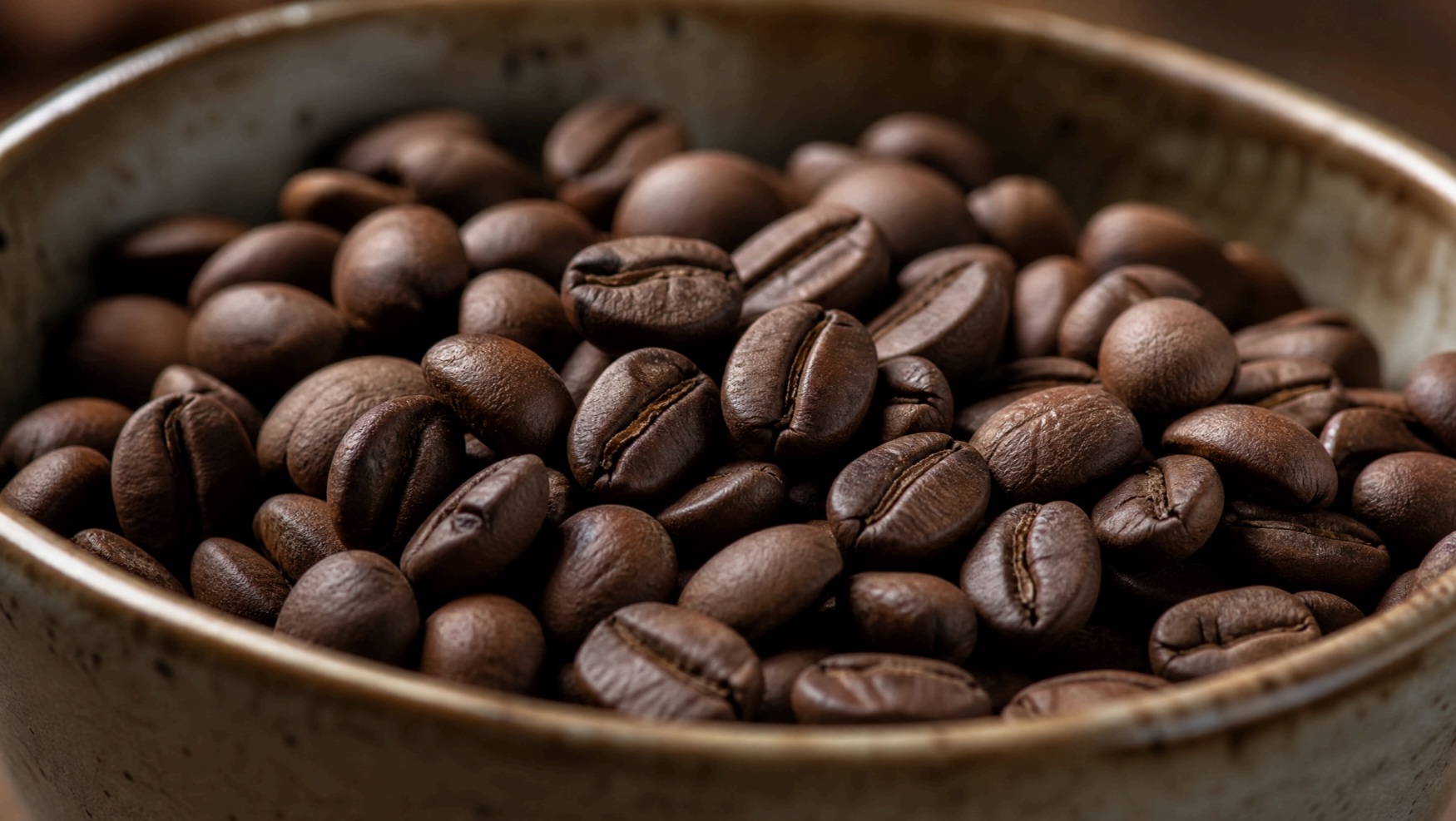
Specialty Coffee:
to be classified as specialty coffee, the beans must score 80 points or higher on the SCA scale. This high score indicates that the coffee is virtually free of primary defects and possesses distinct, desirable flavor characteristics. Specialty coffee is almost exclusively made from Arabica beans, which are known for their complex flavor profiles, acidity, and aromatic qualities. These beans are cultivated in specific microclimates, often at high altitudes, which contribute to their unique taste.
Commercial Coffee:
Commercial coffee, on the other hand, typically scores below 80 points. It is mass-produced and often consists of a blend of Arabica and Robusta beans. Robusta beans are hardier, easier to grow at lower altitudes, and yield more crops, but they generally offer a harsher, more bitter taste compared to Arabica. The primary goal of commercial coffee production is consistency and volume rather than highlighting unique flavor notes.
Cultivation and Sourcing Practices
The way coffee is grown and sourced plays a significant role in its final quality and price.
Traceability and Ethical Sourcing:
Specialty coffee is characterized by its high level of traceability. Consumers can often trace their coffee back to the specific farm, cooperative, or even the exact plot of land where it was grown. This transparency fosters ethical sourcing practices, ensuring that farmers receive fair compensation for their labor. Direct trade and fair trade certifications are common in the specialty coffee industry, emphasizing sustainability and community support.
Mass Production and Blending
Conversely, commercial coffee is usually purchased in bulk from various regions and countries. The beans are mixed together to create a uniform flavor profile that remains consistent year-round. This lack of traceability means that the unique characteristics of individual coffee farms are lost in the blend. Furthermore, thefocus on mass production can sometimes lead to less sustainable farming practices andlower wages for the farmers involved.
The Art of Roasting
Roasting is a critical step that transforms green coffee beans into the aromatic brown beans we are familiar with. The approach to roasting differs significantly between specialty and commercial coffee
Craft Roasting
Specialty coffee roasters treat roasting as an artisanal craft. They carefully monitor the roasting process to highlight the inherent flavors of the beans, which can range from fruity and floral to nutty and chocolatey. Roasts are often lighter or medium to preserve these delicate notes. Specialty roasters also roast in smaller batches to ensure quality control and freshness, often printing the roast date on the packaging.
Industrial Roasting
Commercial coffee is typically roasted in massive industrial facilities. To achieve a consistent flavor profile across large batches and to mask any defects in the lower-quality beans, commercial coffee is often roasted darker. This dark roasting process can obliterate the nuanced flavors of the beans, resulting in a more uniform, bitter, and sometimes burnt taste. Additionally, commercial coffee may sit on supermarket shelves for months, losing its freshness and aromatic qualities.
Flavor Profile and the Tasting Experience

The most noticeable difference for the consumer lies in the cup itself.
Complexity and Nuance
Drinking specialty coffee is an exploration of flavors. Depending on the origin, processing method, and roast, a cup of specialty coffee can offer a wide array of tasting notes. A washed Ethiopian coffee might present bright acidity with notes of jasmine and bergamot, while a natural processed Brazilian coffee could offer a heavy body with flavors of dark chocolate and berries. The experience is dynamic and engaging.
Consistency and Boldness
Commercial coffee aims to deliver a predictable and bold flavor. It is designed to taste the same whether you buy it today or a year from now. The flavor profile is generally straightforward, often characterized by earthy, woody, or bitter notes. While it may lack complexity, it provides the familiar, robust coffee taste that many consumers expect, especially when paired with milk and sugar.
Is the Premium Price Justified?
The decision of whether specialty coffee is worth the higher price tag ultimately depends on what the consumer values most in their coffee experience. If you view coffee primarily as a functional beverage-a quick way to wake up and start the day-commercial coffee offers an affordable and accessible solution. Its consistent flavor and widespread availability make it a convenient choice for many. However, if you appreciate the nuances of flavor, value ethical sourcing and sustainability, and enjoy the ritual of brewing a carefully crafted cup, specialty coffee is undoubtedly worth the investment. The premium price reflects the meticulous care taken at every step of the supply chain, from the farmer who nurtured the plants to the roaster who coaxed out the beans' best qualities. By choosing specialty coffee, you are not just paying for a better- tasting beverage; you are supporting a more sustainable and equitable coffee industry.