How Caffeine Became the Second Most Traded Commodity
More Than Just a Morning Ritual
mokhaLab · June 2, 2026 · 6 min read ·
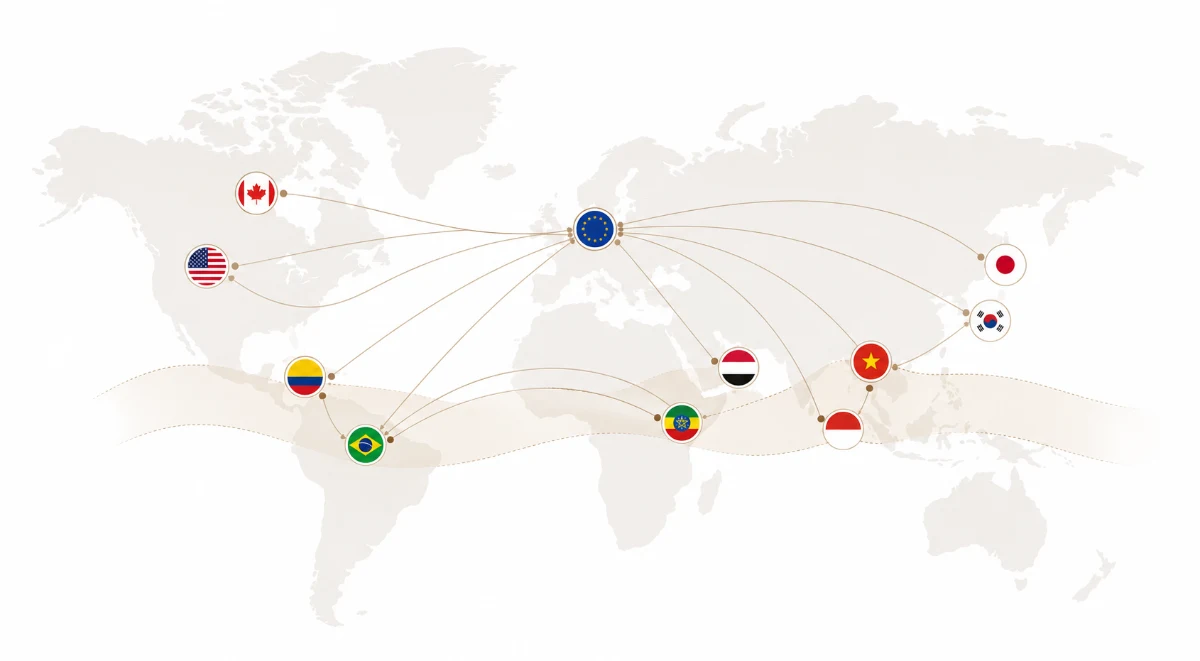
Coffee is more than just a morning beverage that gives us energy; it is a fundamental pillar in the structure of the global economy and a vital engine for international trade. Since its first discovery in the highlands of Ethiopia and its journey to the Arabian Peninsula, coffee has traveled across continents, transforming from a local social ritual into a strategic commodity with a market value estimated at hundreds of billions of dollars. Today, the world consumes over two billion cups of coffee daily, making it a lifeline for millions of people and a raw material fiercely competed for on global exchanges. The aroma of a freshly brewed cup is not just a sensory delight but a symbol of a massive, interconnected network that spans the entire globe.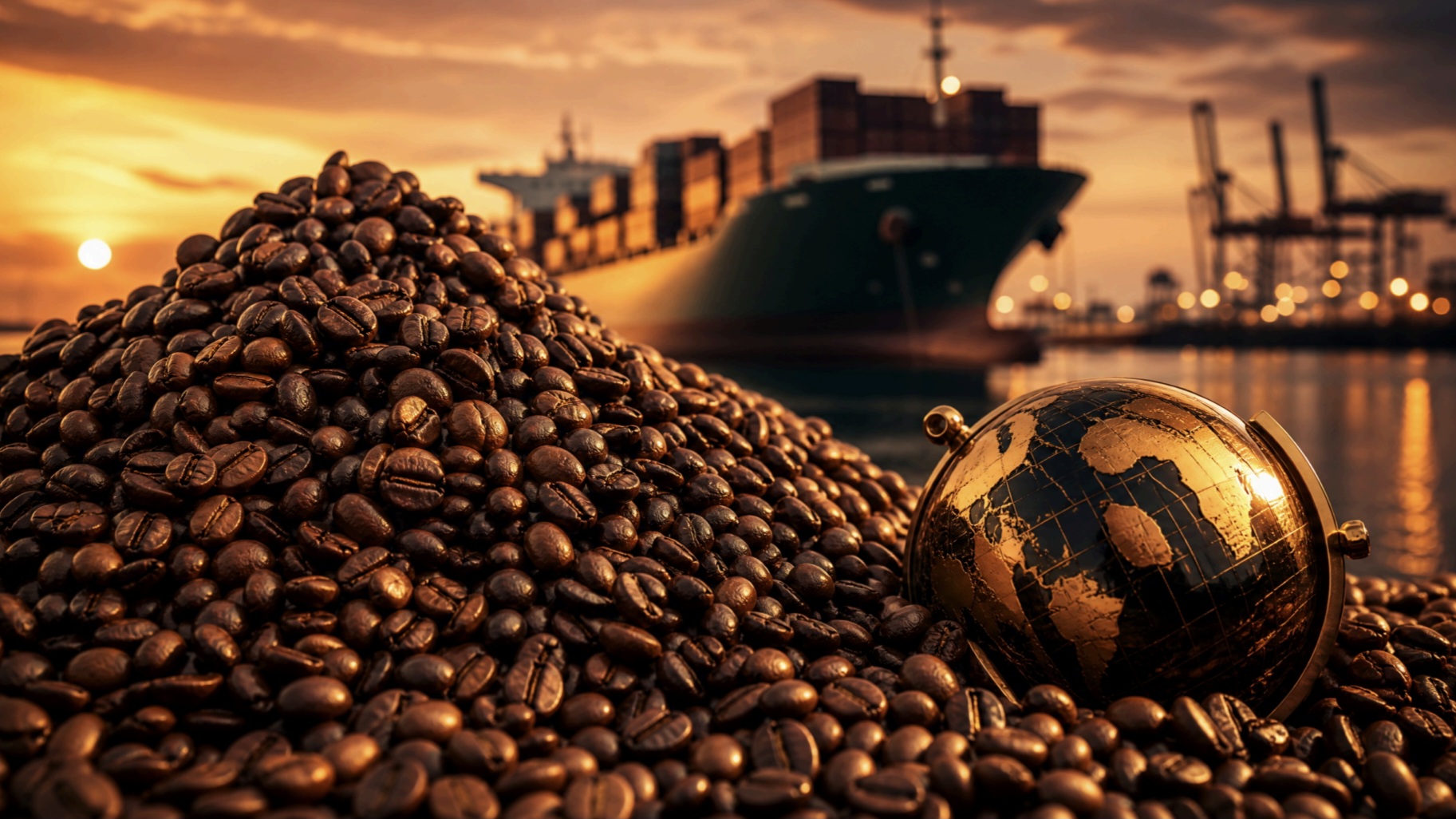
The Economic Powerhouse: Coffee as a Global Commodity
Coffee is often referred to as the “second most traded commodity in the world after crude oil.” While this claim may lack strict statistical accuracy in some recent economic reports that place natural gas or gold higher, the fact remains: coffee is by far the most important tropical agricultural commodity. It represents the primary source of national income for many developing countries and plays a pivotal role in the balance of trade between producing countries in the Global South and consuming countries in the Global North. The economic impact of coffee is profound, influencing national policies, international trade agreements, and the daily lives of millions of workers involved in its production and distribution.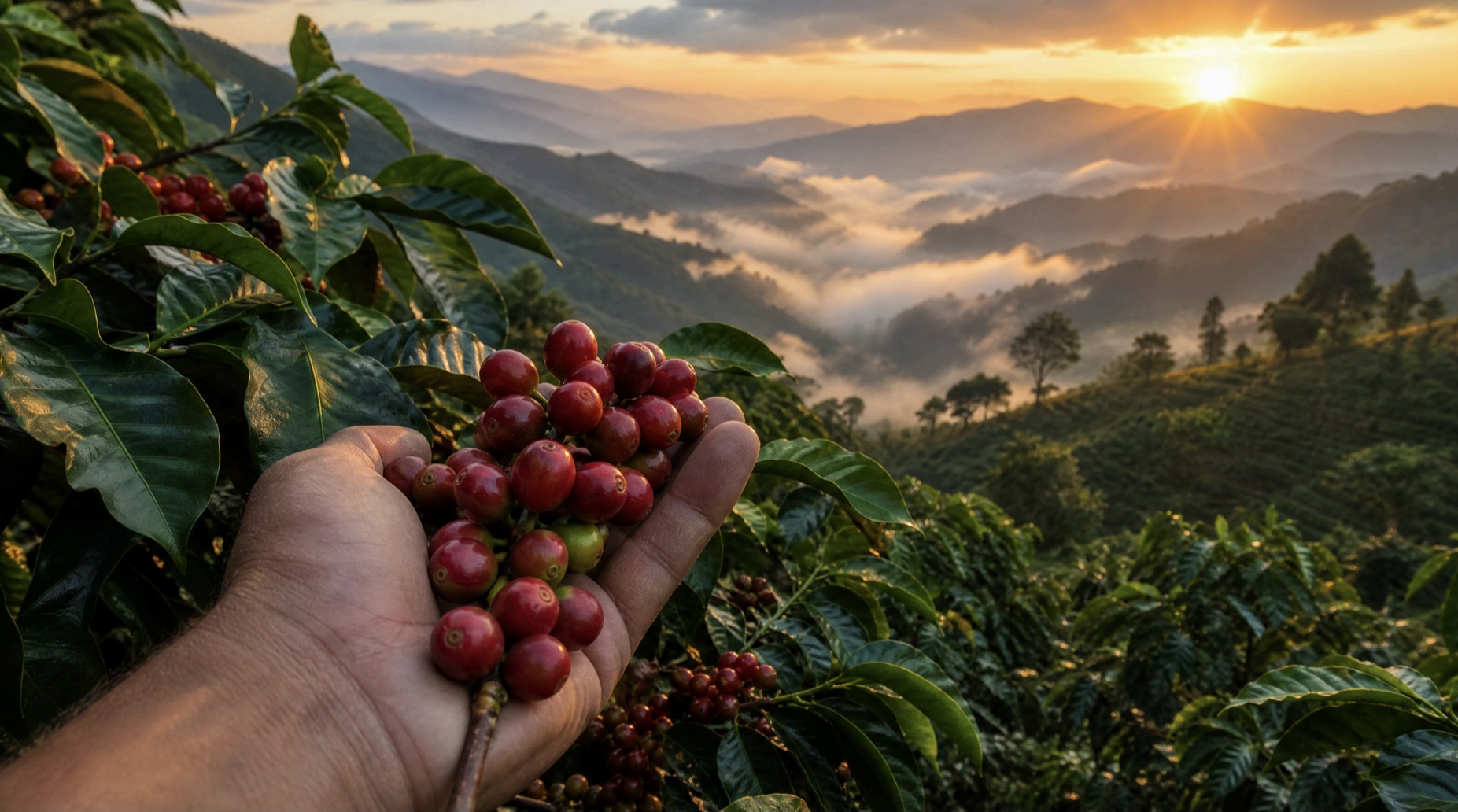
More than 25 million farmers and their families depend on coffee cultivation
The Complex Supply Chain: From Farm to Cup
The coffee industry relies on a complex supply chain that begins with small-scale farmers, who account for approximately 80% of global production. More than 25 million farmers and their families depend on coffee cultivation, mostly within the “coffee belt” that stretches between the Tropics of Cancer and Capricorn. These farmers are the cornerstone of the economies of countries like Brazil, Vietnam, Colombia, and Ethiopia. Fluctuations in coffee prices on the New York and London exchanges not only affect the price of a cup of coffee in upscale cafes but also determine the fate of entire rural communities. Each step in the supply chain—from harvesting and processing to roasting and shipping—adds value and requires meticulous coordination to ensure that the final product meets the high standards of global cconsumers

The Third Wave: A Shift Toward Specialty and Quality
The last decade has witnessed a radical transformation in coffee economics with the emergence of the “Third Wave.” Coffee is no longer treated as a uniform commodity but as a luxury product valued based on its origin, varietal, and processing method. This shift towards “specialty coffee” has led to increased added value and opened new economic horizons, with consumers willing to pay higher prices for quality and sustainability. This transformation has contributed to the global coffee market’s growth, reaching estimates exceeding $200 billion annually, with continuous growth projected. The focus on the unique flavor profiles of different beans has created a new class of coffee connoisseurs, much like wine enthusiasts, who appreciate the nuances of every cup.

Challenges and the Future: Navigating a Changing World
Today, coffee faces dual economic and environmental challenges, from climate change threatening traditional growing regions to the need to ensure fair trade for farmers. Rising temperatures and unpredictable weather patterns are forcing farmers to move to higher altitudes or switch to more resilient crops. Nevertheless, the future of coffee remains promising with the expansion of cafe culture in emerging markets like China and India. Coffee’s ability to adapt to cultural and economic changes makes it a unique model of a commodity that combines ancient history with modern economic dynamism, affirming its undeniable power in shaping the global economy. The industry is increasingly turning to sustainable practices and innovative technologies to overcome these hurdles and ensure a steady supply of high-quality beans for generations to come.

Cultural Impact and Social Connectivity
Beyond its economic value, coffee is a powerful cultural force that brings people together. From the historic coffee houses of Vienna and Paris, which served as meeting places for intellectuals and artists, to the modern-day cafes that act as communal workspaces, coffee has always been central to human interaction. The rituals of preparing and sharing coffee vary widely across cultures, reflecting the rich diversity of traditions and customs. In some societies, coffee is a symbol of hospitality and generosity, while in others, it is an essential part of the daily routine. This cultural significance enhances coffee’s status as a global phenomenon that transcends its identity as a mere commercial product.

Innovation and Sustainability in the Coffee Industry
The coffee industry is increasingly focused on innovation and sustainability to address future challenges. Innovation includes developing new coffee varieties that are more resistant to diseases and climate change, as well as improving processing methods to enhance flavors and reduce waste. Sustainability efforts focus on eco-friendly farming practices, such as organic cultivation and reducing pesticide use, and ensuring fair
working conditions for farmers. Fair trade programs and environmental certifications are becoming more common, helping consumers make informed choices that support farmers and protect the environment. These collective efforts aim to build a more sustainable and prosperous future for the entire coffee sector.

A Bright Future for the King of Beverages
In conclusion, coffee remains a commodity of immense economic and cultural importance. Despite ongoing challenges, its ability to adapt and innovate ensures its prominent place in the global economy and in the hearts of consumers. As awareness of the importance of ustainability and quality continues to grow, the coffee industry is expected to see further development and prosperity, maintaining its title as the king of beverages and an indispensable engine of global trade. The journey of coffee from a small bean to a global drink is a success story that embodies the interconnection between nature, the economy, and human culture. This enduring legacy ensures that coffee will continue to be a vital part of our world for years to come.