Coffee Varieties: The Genetic Blueprint of Flavor in the World of Espresso
Decoding the origins of flavor through coffee genetics
mokhaLab · April 26, 2026 · 3 min read ·
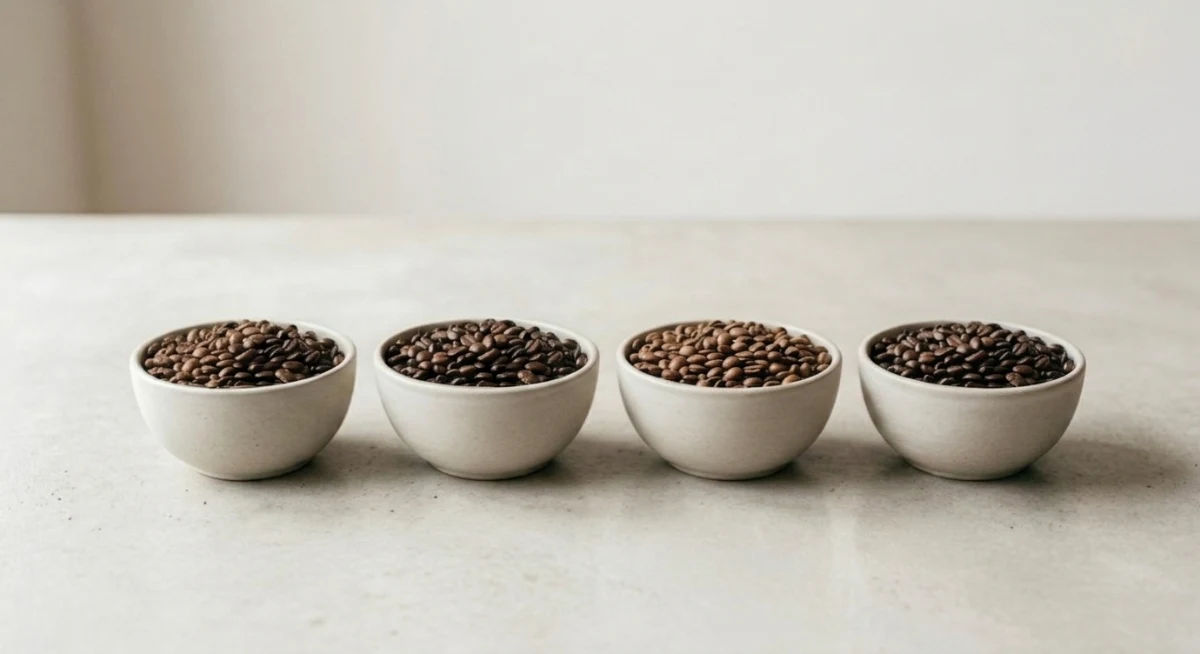
Coffee variety is the fundamental factor that determines the 'genetic blueprint' of flavor. It is the primary influence on the quality of an espresso cup before the beans even reach the roasting stage or the barista's hands. While hundreds of varieties exist, the world of espresso primarily revolves around two main species and their subtle differences.
1. The Major Varieties: Arabica vs. Robusta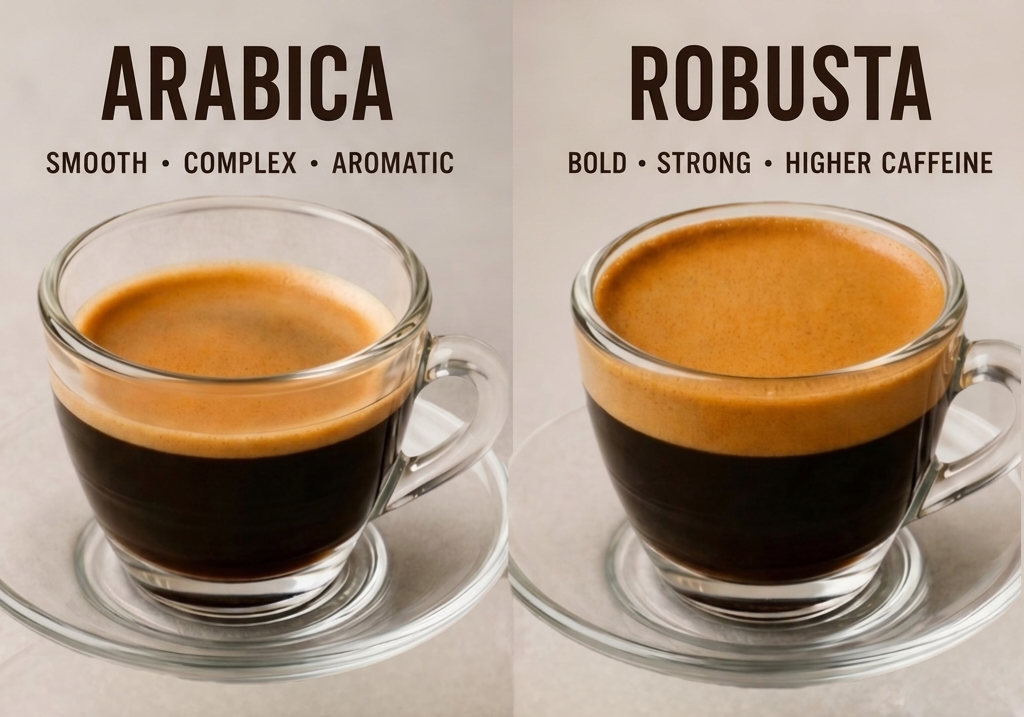
The comparison between these two types is the cornerstone of understanding espresso quality:
Characteristics of Arabica:
- Flavor: Distinct acidity, fruity or floral notes, and natural sweetness.
- Caffeine Content: Low (approximately 1.2% - 1.5%).
- Oils and Sugars: Contains double the amount of sugar and oils found in Robusta.
- Impact on Espresso: Produces a complex and clean cup with pleasant 'acidity'.
Characteristics of Robusta:
- Flavor: High bitterness, earthy or woody notes, and a heavy body.
- Caffeine Content: High (approximately 2.2% - 2.7%).
- Oils and Sugars: Lower in sugars, making it less complex in flavor.
- Impact on Espresso: Produces a thick, stable 'Crema' layer and a strong body.
2. Sub-varieties and Their Impact on Espresso Quality Several sub-varieties (Varietals) emerge from the Arabica lineage, each with unique characteristics that affect espresso extraction:
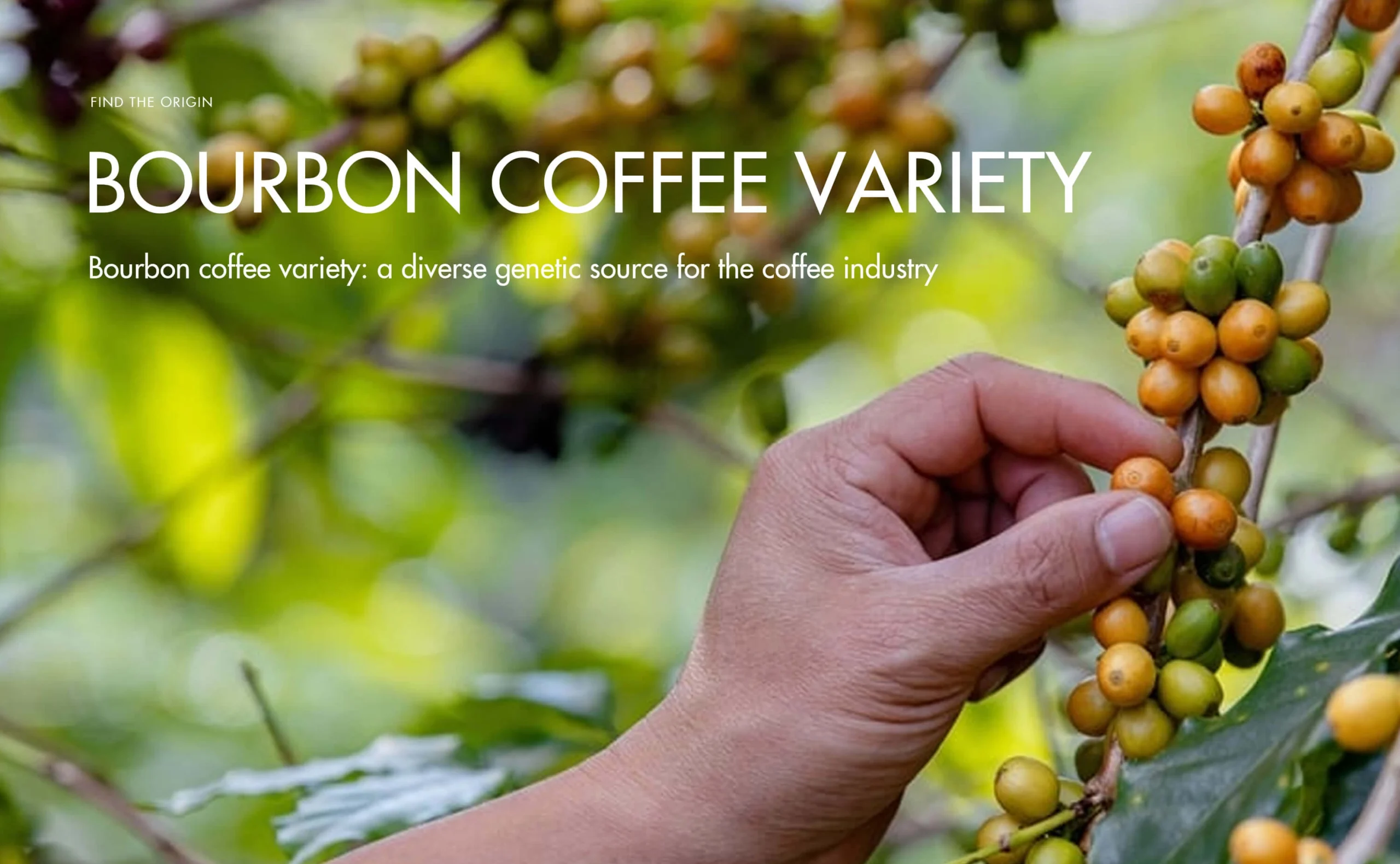 Considered one of the finest varieties, it is characterized by intense caramel-like sweetness and a smooth texture. In espresso, it provides a perfect balance between bitterness and sweetness, making it a favorite for those seeking a balanced cup.
B. Typica Variety
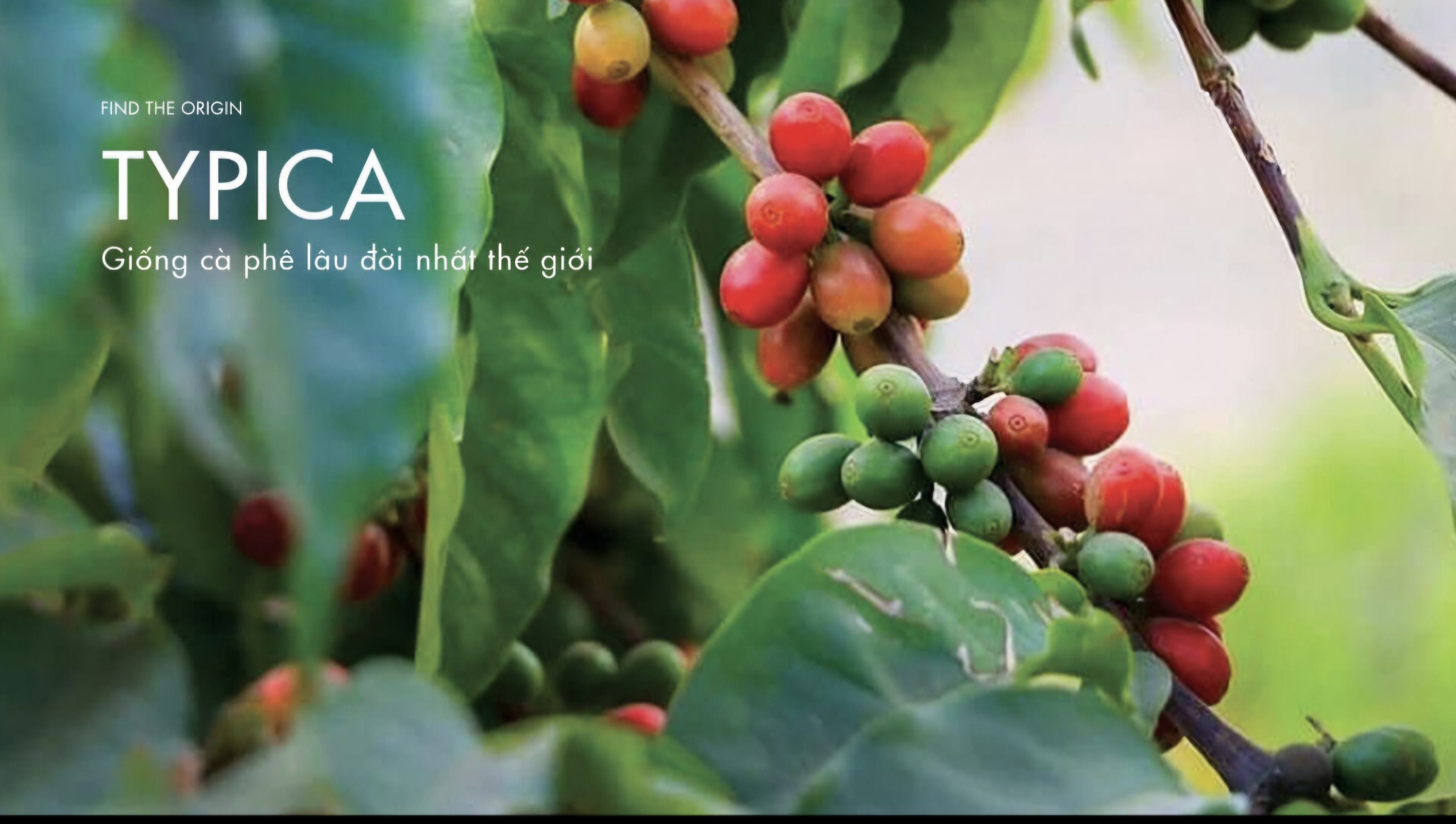 The parent variety for many types, it is famous for its clean flavor and sharp acidity. Espresso prepared from Typica is often light-bodied but high in aromatic purity.
C. Caturra & Catuai Varieties
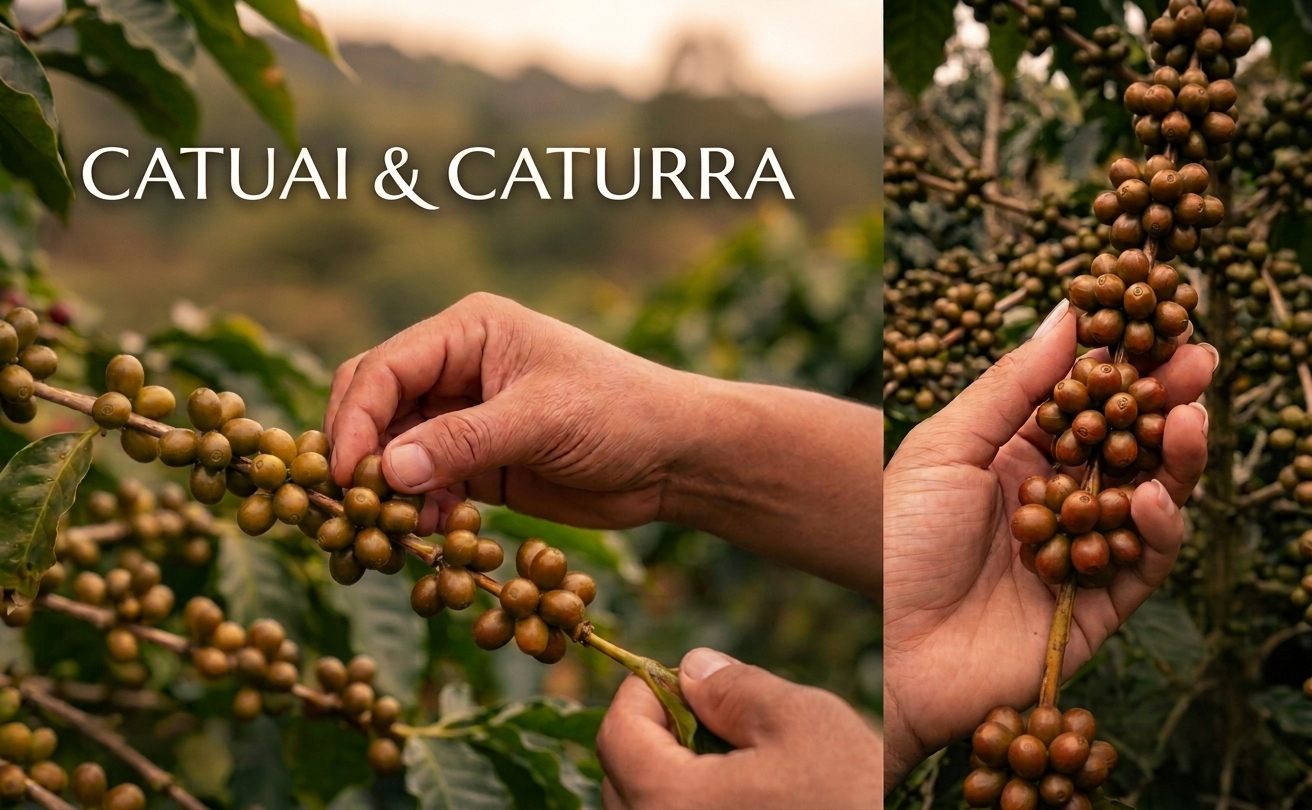 Developed varieties characterized by bright acidity. When used in espresso, they highlight fruit and citrus flavors, making them ideal for lovers of 'modern' espresso that moves away from the traditional burnt taste.
D. Geisha Variety
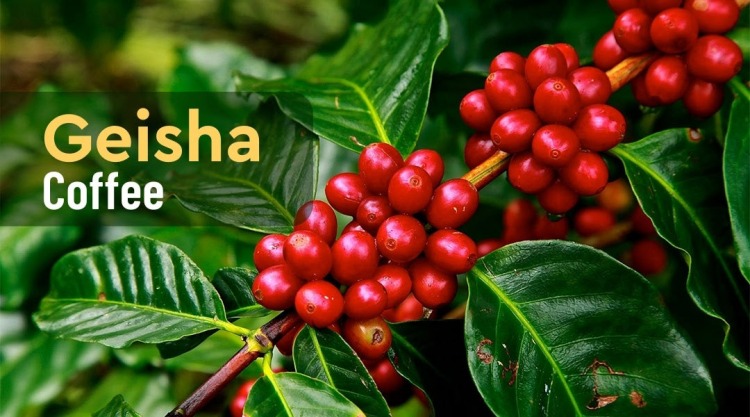 Rare and expensive, it is characterized by floral flavors similar to jasmine. It is rarely used as a standalone espresso because the heat and pressure of the espresso machine can mask its delicate complexities. However, if prepared skillfully, it offers an unforgettable aromatic experience
3. How Variety Affects the "Physics" of Espresso
The impact of the variety is not limited to taste alone; it extends to how the coffee interacts with water under pressure:
- Bean Density: Varieties grown at high altitudes (like most Arabicas) have denser beans, requiring a finer grind and higher extraction temperature to extract sugars.
- Crema Formation: Varieties with a higher oil content (Arabica) produce a thinner but flavor-rich crema, while varieties with less oil (Robusta) produce a thick foam due to the interaction of gases with solid fibers. Balance: Quality in espresso means reaching the point of balance between 'acidity, sweetness, and bitterness.' Heirloom varieties often provide this balance naturally without the need for blending with other types.
Conclusion
The choice of variety is what sets the quality ceiling. While Robusta gives us body and crema, Arabica and its sub-varieties provide complexity and aromatics. For lovers of classic espresso, blends that combine varieties are preferred. For specialty tasting enthusiasts, 'Single Origin' is the ideal way to discover the genetic characteristics of each type.